Reference architecture for production AI systems
This is a representative system pattern, not a one-size-fits-all promise. The actual architecture is scoped per engagement, but the design principles stay consistent: deterministic data handling where possible, explicit control points, and clear boundaries between ingestion, reasoning, orchestration, and downstream outputs.
What this page is for
Buyers do not need implementation-level detail at the start, but they should understand how I think about system reliability, evidence, and operational control before committing to roadmap work.
If your project has security, deployment, or compliance constraints, those shape the final architecture directly and should be validated during the audit and roadmap stages.
A representative pipeline blueprint
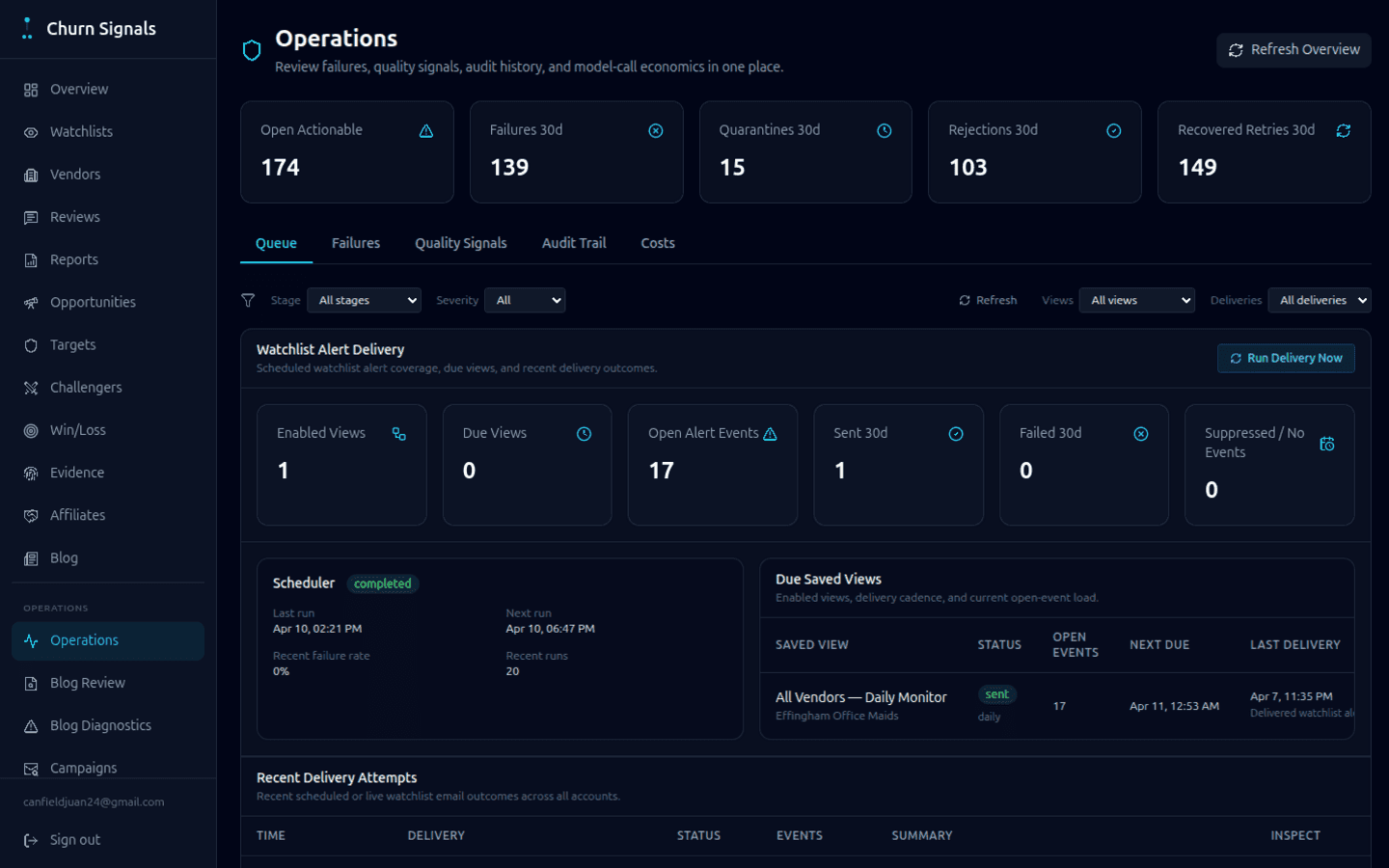
1. Controlled data ingestion
Data is collected, normalized, deduplicated, and stored with explicit handling rules before any model-dependent reasoning layer is introduced.
2. Evidence-backed retrieval and synthesis
Reasoning layers are grounded in structured retrieval, source traceability, and contract-based outputs so downstream artifacts can be reviewed instead of blindly trusted.
3. Workflow orchestration and control
Multi-step operations are routed through explicit workflow logic so tool calls, approvals, and failure states are observable and manageable.
4. Operational outputs and interfaces
The system produces usable business outputs such as alerts, summaries, CRM artifacts, search workflows, or operator-facing dashboards depending on project scope.
What changes per project
Deployment model, model providers, data residency, approval workflows, and monitoring depth are all scoped against the actual operating environment and buyer requirements.
Need architecture that fits your actual operating constraints?
Start with the Systems Audit. That is where architecture, risk boundaries, deployment constraints, and proof-of-concept scope get defined before build work begins.
Start Systems Audit